
Case Studies

Insight Community and Co-Creation Case Studies

KLC has run insight communities and CrowdWeaving® co-creation programs for enterprise brands across retail, food and beverage, tech, utilities, insurance, telecoms, and aviation. The use cases and five case studies below set out the business question, the community approach used, and the outcome in each case.

CrowdWeaving® Use Cases

Product Innovation

Product launches often flop because brands wait until a prototype is fully baked before asking consumers if they even want it. Product innovation with CrowdWeaving® flips that dynamic on its head. Instead of gambling millions on boardroom assumptions or bland focus group consensus, we invite your target audience to co-create raw concepts from day one. Strip away groupthink through independent ideation and refine ideas with real-time AI to turn messy initial sparks into market-ready, customer-vetted products.

Category Innovation

True category disruption doesn’t happen when you rely on safe, incremental tweaks. Innovation requires breaking through cognitive fixation to uncover the unarticulated needs your sector (or competitors) is completely ignoring. CrowdWeaving® brings consumers together to challenge legacy assumptions, surface hidden gems, and rank bold, disruptive ideas in a gamified prediction market. You don’t just participate in a category, you redefine it before anyone else sees it coming.

Service Innovation

Designing a brand-new service model in a corporate bubble usually leads to shiny operational concepts that real humans find confusing or tedious. CrowdWeaving® lets you test, iterate, and build service workflows alongside the people who will actually use them. Our AI-driven probing challenges participants to explain the why behind their service preferences, giving you a crystal-clear, battle-tested blueprint that drives real-world adoption from day one.

Customer Experience (CX)

For heavily regulated industries like utilities and insurance, a single confusing policy update or clunky portal overhaul can trigger an avalanche of angry call center tickets. CrowdWeaving® de-risks these by inviting rate-payers and policyholders directly into the design process. We move beyond generic satisfaction surveys to actively co-create clear messaging, intuitive digital journeys, and streamlined communication layouts. It’s the fastest, most reliable way to eliminate friction, build trust, and ensure your CX changes actually land smoothly.

Passenger Experience (PX)

CrowdWeaving® replaces post-flight surveys with active, customer-led co-creation. Through independent ideation and crowd voting, actual travelers help you identify and build solutions for real operational pain points, from urban bus stop signage to airplane cabin layout perks. Get passenger-backed clarity on what truly elevates the journey before spending a dime on physical rollout.

User Experience (UX)

Pretty interfaces mean nothing if users abandon your portal the second they encounter a confusing workflow. Traditional UX research often falls victim to the “say-do” gap, where users claim they love a feature in a lab but ignore it in real life. CrowdWeaving® transforms UX design into an active co-creation sprint. Our framework uses real-time AI feedback and prediction-market voting to help users rank, refine, and eliminate feature bloat – delivering an intuitive, high-adoption digital experience your audience actually wants to use.

Con Edison Case Study

Con Edison faced the challenge of pleasing 21st century customers with rising expectations. Customer interactions have become more prominent and Con Edison is being held to a higher standard. Today, comparisons are being made to other best in class companies.


View Case Study

Aflac Case Study

Aflac, the leader in voluntary insurance sales at the worksite, has a very successful multichannel distribution model. While incredibly effective, the multistep distribution model can create a variance in experience. Aflac wanted to better understand what an “easy” relationship feels and looks like with their customers and subscribers from a relationship level as well as a transactional level. Aflac recognized that the best way to determine what “ease” looks like to customer, is to engage them.

View Case Study

National Grid Case Study

National Grid provides electric and gas to about 20 million people across its service area. This includes Massachusettes, Rhode Island and some part of New York. They strive to be the customer-focused, clean energy company that is going to help stop the debilitating effects of climate change.

In a market where customers are demanding greater value and more choices from their electric and gas providers, National Grid needed to find a way to innovate to enhance their position as a trusted energy advisor.

View Case Study

Delta Air Lines Case Study

Delta Air Lines was interested in updating certain functionality on delta.com, and wanted to ensure they best met their customers’ needs with any updates. In particular, the international airline juggernaut wanted to understand the needs and behaviors of their most frequent flyers– really see what they wanted and needed in order to have a great new digital experience. Additionally, Delta wanted to collaborate with customers in an iterative environment to create said digital experience.

View Case Study

Spectrum Case Study

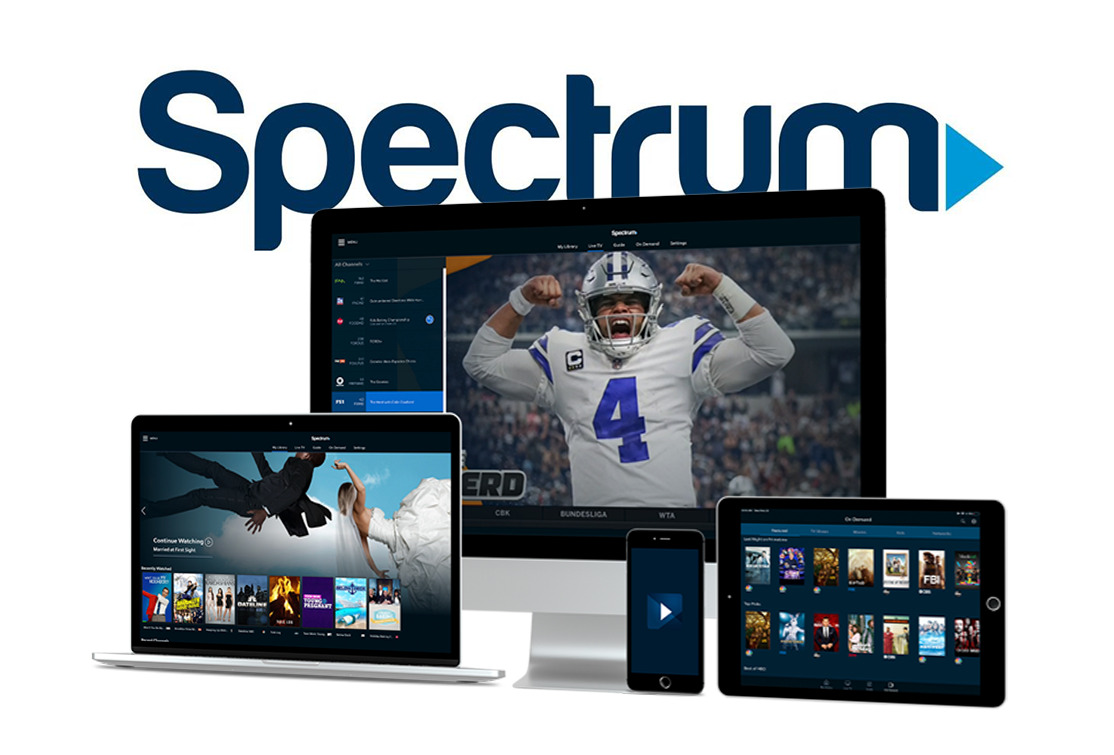
Spectrum, formerly Time Warner Cable, had developed a simulcast video portal and iPad application, and wanted to gain insights from their customers to incorporate into their iterative testing process. Specifically, TWC wanted to:

• Understand from customers what their expectations and needs are
• How the release of the Simulcast Video Portal affects customer opinion of the brand
• Collaborate with customers to guide the iterations of the Video portal in terms of look & feel, navigation, and other functionalities
• Garner customer reactions to the Live TV iPad app to guide the implementation of the app’s initial launch
• Determine through collaboration the “must haves” for initial and subsequent near-term releases through longer term development

View Case Study